
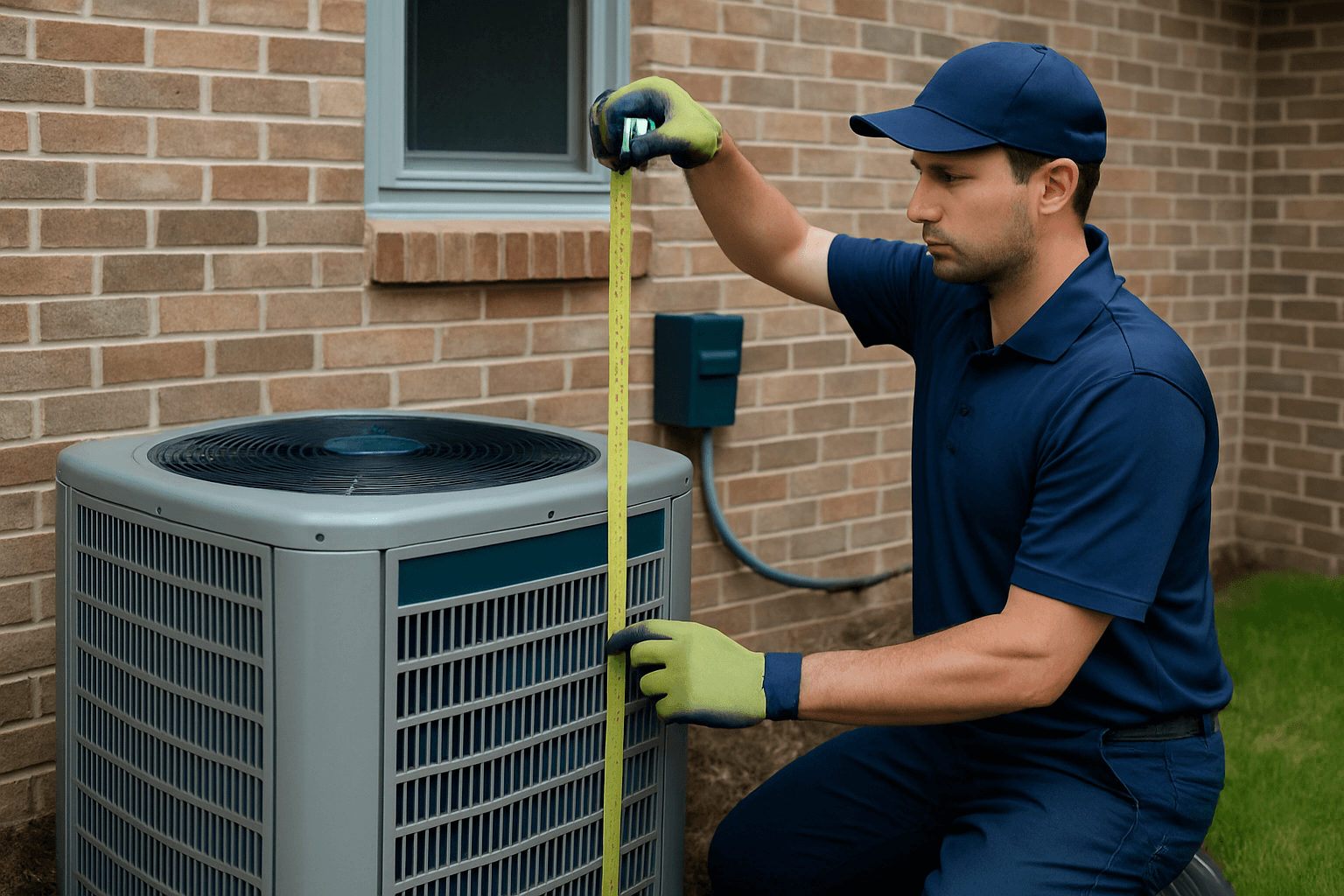
When it comes to HVAC systems, size truly matters—more than most homeowners realize. Getting the right HVAC sizing isn’t just a technical detail; it’s the foundation for efficient performance, consistent comfort, and long-term savings. Yet, many homes suffer from poorly sized systems, leading to a cascade of issues that drive up costs and frustration.
In Southern California’s diverse climate, professional HVAC sizing is key to tailoring solutions that match your unique home layout, insulation, and lifestyle. Let’s explore why accurate sizing is a game-changer and how skipping this crucial step can cost you more than just money.
Jump To:
TLDR – Quick Guide
- Proper HVAC sizing matches system capacity to your home’s specific heating and cooling needs.
- Oversized systems short cycle, wasting energy and wearing out components prematurely.
- Undersized systems struggle to maintain comfort and run constantly, increasing energy bills.
- Professional sizing uses detailed calculations and inspections—not guesswork or rules of thumb.
- Accurate sizing improves comfort, efficiency, system lifespan, and indoor air quality.
Detailed Breakdown
1. What Is HVAC Sizing?
HVAC sizing refers to selecting the correct heating and cooling capacity of your system based on your home’s characteristics.
- Measured in BTUs (British Thermal Units) for heating and tons for cooling.
- Requires a load calculation that considers square footage, insulation, window types, orientation, local climate, and occupancy.
2. Why Is HVAC Sizing Important?
- Comfort: Properly sized units keep your home evenly heated or cooled without hot/cold spots.
- Energy Efficiency: Correct sizing avoids wasted energy from systems running too often or too little.
- Longevity: Right-sized systems have balanced run cycles, reducing wear and tear on components.
- Cost Savings: Avoid premature repairs and high utility bills caused by improper sizing.
3. The Problems with Oversized HVAC Systems
- Short cycling: Turning on and off frequently, causing uneven temperatures and wasted energy.
- Increased wear: Components fail faster due to constant start-stop.
- Poor humidity control: Oversized ACs cool quickly but don’t run long enough to remove moisture properly.
- Higher upfront costs for a bigger system.
4. The Risks of Undersized HVAC Systems
- Struggling to meet demand, leaving your home uncomfortable.
- Longer run times increase energy bills and wear on equipment.
- Potential for system failure due to overload.
- May require costly upgrades or supplemental units.
5. How Professionals Size HVAC Systems
Certified HVAC pros use industry-standard tools like Manual J load calculations:
- Measure your home’s square footage and insulation quality.
- Analyze window placement, air leaks, and local weather data.
- Consider number of occupants and typical usage patterns.
- Recommend equipment that precisely meets your home’s heating and cooling load.
Key Takeaways
- HVAC sizing is critical—too big or too small systems lead to discomfort, inefficiency, and higher costs.
- Professional sizing isn’t guesswork; it’s a science that requires detailed assessment.
- Properly sized systems save money, improve comfort, and extend equipment lifespan.
- Don’t trust rules of thumb or DIY sizing—consult a licensed HVAC technician for accurate evaluation.
FAQs
1. Can I size my HVAC system myself?
DIY sizing is risky and often inaccurate. Professional load calculations ensure the best match for your home.
2. How much does professional HVAC sizing cost?
Many HVAC companies include load calculations as part of their installation estimate. Standalone assessments vary but are well worth the investment.
3. What happens if my HVAC system is the wrong size?
You may experience high energy bills, uneven temperatures, frequent repairs, and shorter system lifespan.
4. How often should I reassess my HVAC sizing?
Typically when replacing or upgrading your system, or after major home renovations affecting insulation or layout.
5. Does HVAC sizing affect indoor air quality?
Indirectly, yes. Properly sized systems run optimally, which helps maintain humidity and filter airflow, improving air quality.