
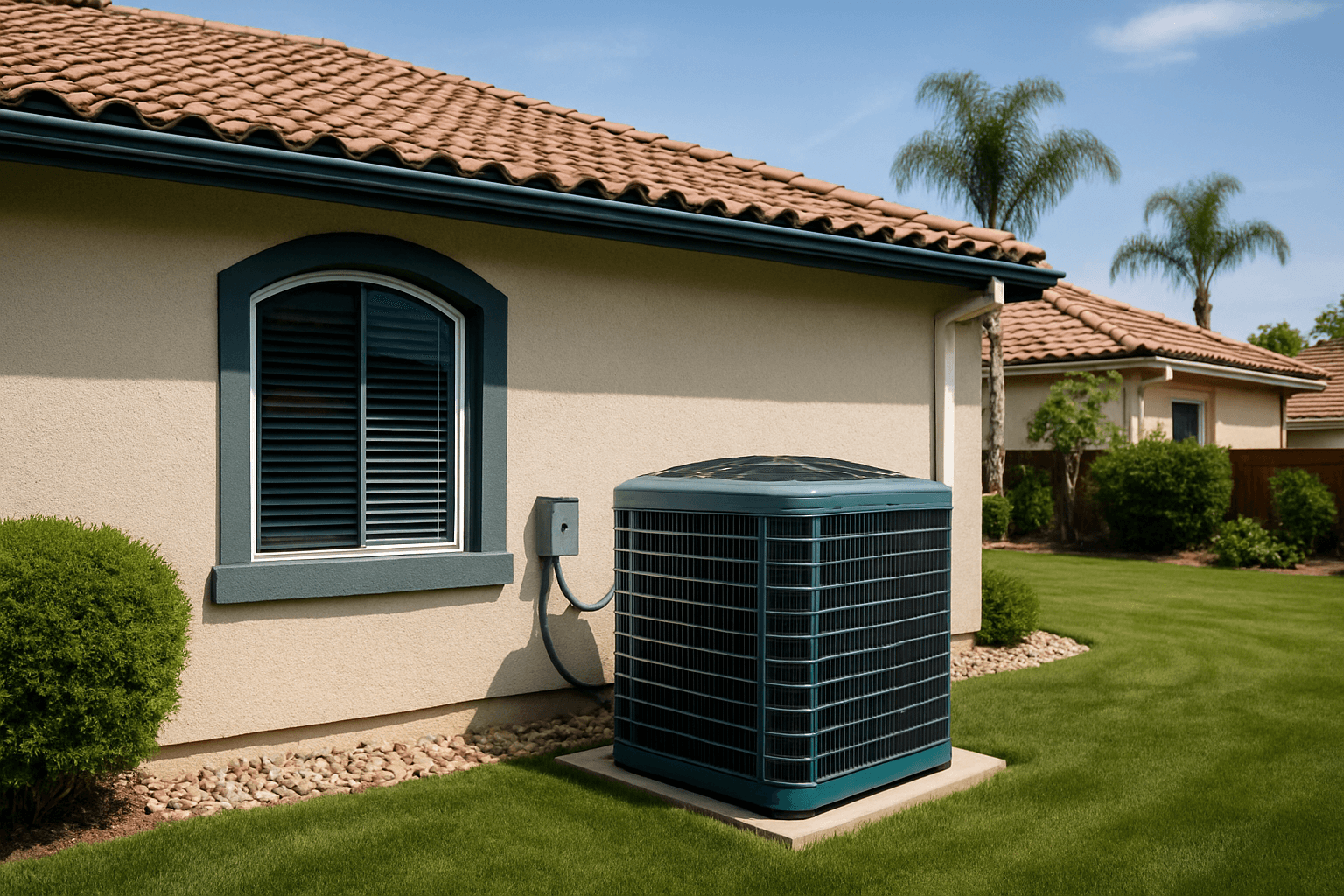
Chino’s warm days and cool evenings mean your HVAC system often has to work overtime balancing comfort across your home. If you’ve noticed some rooms are always too hot or too cold while others feel just right, a zoned HVAC system could be the solution.
Zoning lets you control temperatures room-by-room or zone-by-zone, increasing comfort and potentially slashing your energy bills. But is it the right fit for your home and budget? Let’s break down how zoned systems work, their benefits, potential drawbacks, and what to consider before investing.
TLDR – Quick Guide
- Zoned HVAC systems divide your home into separate temperature zones with independent controls.
- They offer personalized comfort, energy savings, and better control over heating and cooling.
- Best for larger homes, multi-story houses, or homes with varying occupant preferences.
- Installation costs more upfront but can save money long-term.
- Requires a professional HVAC assessment and installation.
Detailed Breakdown
1. What Is a Zoned HVAC System?
Unlike traditional HVAC setups that heat or cool your entire home uniformly, a zoned HVAC system uses multiple thermostats and dampers inside the ductwork to direct airflow only to specific areas.
- Each zone can have a unique temperature setting.
- You control zones independently via wall thermostats or smart controls.
- This system improves comfort and reduces wasted energy.
2. Benefits of Zoned HVAC in Chino Homes
- Customized Comfort: No more “one room too hot, another too cold” scenarios.
- Energy Efficiency: Only heat or cool the rooms you use, lowering utility bills.
- Reduced Wear and Tear: The HVAC unit doesn’t run as often or as hard, extending its lifespan.
- Smart Integration: Many systems sync with smart thermostats for remote control and scheduling.
3. Is a Zoned HVAC System Right for Your Home?
Consider zoning if you have:
- A large or multi-story home with diverse heating and cooling needs.
- Rooms that are seldom used but still hooked to your HVAC.
- Family members with different temperature preferences.
- Rooms with poor airflow or temperature inconsistencies.
- High energy bills and desire for more control.
4. Installation and Costs
- Installation complexity: Adds duct dampers and extra thermostats; may require ductwork adjustments.
- Costs: Typically $2,000–$5,000+ depending on home size and zones.
- ROI: Savings on energy bills often offset upfront costs over time.
- Professional Assessment: An HVAC expert can evaluate duct layout and recommend zoning feasibility.
5. Potential Drawbacks
- Initial installation cost is higher than standard systems.
- Improper installation can cause pressure imbalances.
- Some systems require a modern HVAC unit or compatible ductwork.
- Zoning isn’t always the answer for small or well-balanced homes.
Key Takeaways
- Zoned HVAC systems offer tailored comfort and energy savings, perfect for Chino’s climate and home styles.
- Ideal for larger or multi-level homes with diverse heating and cooling needs.
- Upfront costs can be high but often pay off in comfort and energy savings.
- Always get a professional HVAC assessment before deciding.
- Combining zoning with smart thermostats maximizes convenience and control.
FAQs
1. How many zones does a typical zoned HVAC system have?
Most homes have 2–4 zones, but systems can be customized based on your home’s size and layout.
2. Can zoning help reduce my energy bills?
Yes, by heating or cooling only the areas you use, zoning can lower your energy consumption and bills.
3. Will a zoned system work with my existing HVAC unit?
Often yes, but it depends on your system’s size, ductwork, and controls. A professional can advise you.
4. Is it difficult to control multiple thermostats?
Modern zoned HVAC systems often integrate with smart thermostats or central control panels for easy management.
5. How long does it take to install a zoned HVAC system?
Installation usually takes 1–3 days, depending on complexity and home size.